
The Google AdWords click fraud class action was one of the earliest major lawsuits challenging the transparency and billing practices of pay-per-click advertising. Here is a detailed timeline of how the case unfolded, from initial filing to final resolution.
2004 – 2005: The Problem Emerges
- What is click fraud?
- Click fraud occurs when a person, bot, or automated script clicks on a pay-per-click ad with no genuine interest in the advertiser's product — inflating the advertiser's costs while providing no legitimate traffic. By the mid-2000s, industry analysts estimated that 14–20% of all PPC clicks were fraudulent.
As Google's AdWords platform grew into a multi-billion-dollar advertising engine, advertisers began noticing anomalies: unexplained click spikes, high volumes of clicks from non-converting geographies, and costs that seemed disconnected from actual customer engagement. Small and mid-size businesses were especially vulnerable because they lacked the analytics infrastructure to detect fraudulent patterns.
2005: Class Action Filed
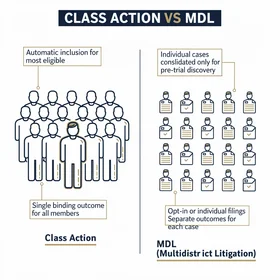
In 2005, a group of advertisers filed a class action lawsuit against Google in U.S. District Court, alleging that the company knowingly charged advertisers for invalid and fraudulent clicks. The complaint named a proposed class of all U.S. advertisers who purchased AdWords advertising and were charged for clicks that Google knew or should have known were illegitimate.
The core legal theory was straightforward: advertisers entered into contracts with Google for legitimate clicks from real potential customers. By charging for clicks Google could identify as fraudulent — through its own internal detection systems — Google breached those contracts and was unjustly enriched.
2006: Settlement Reached
In March 2006, Google agreed to settle the class action for $90 million. The settlement was one of the largest in the then-young history of internet advertising litigation.
How the Settlement Worked
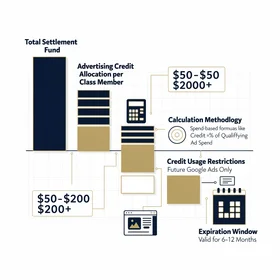
Rather than direct cash payments to most class members, the settlement primarily provided advertising credits that affected advertisers could apply to future Google AdWords campaigns. The settlement structure drew criticism from some advertisers and consumer advocates who argued that credits effectively required claimants to spend more money with the same company they had sued.
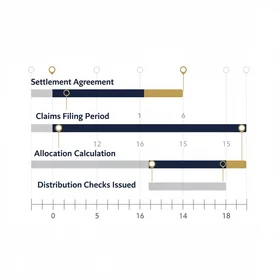
2006 – 2007: Claim Period and Distribution
The court-approved claims process required class members to:
- Verify they held an active AdWords account during the class period
- Submit a claim form by the court-ordered deadline
- Provide documentation of their AdWords spending during the relevant period
Credits were distributed proportionally based on each advertiser's spending during the class period. Larger advertisers received larger credits, though the amounts were modest relative to total spend for most claimants.
2007 – 2008: Final Approval and Aftermath
The court granted final approval of the settlement over objections from some class members who argued the relief was inadequate. The settlement became a landmark case in several ways:
- It was the first major class action to address click fraud in paid search advertising
- It established that advertisers could pursue collective legal action over billing disputes with ad platforms
- It prompted Google to improve its invalid click detection and refund processes
- It set precedent for subsequent digital advertising class actions
Post-Settlement: Ongoing Industry Changes
In the years following the settlement, Google invested significantly in invalid click detection technology. The company now filters out detected invalid clicks before charging advertisers and provides an “Invalid Clicks” column in Google Ads reporting. However, the fundamental tension between platform revenue incentives and advertiser protection persists.
Risks and Limitations to Consider
While the settlement resolved the specific class action claims, it did not address several broader issues that remain relevant to advertisers today:
- Search partner network opacity — advertisers still have limited visibility into where their ads appear on Google's partner sites
- Smart Bidding black box — automated bidding algorithms can increase CPCs without transparent justification
- Detection gap — independent researchers continue to find that some percentage of clicks evade Google's invalid click filters
- Arbitration clauses — Google's current Terms of Service include mandatory arbitration provisions that may limit future class action options
This timeline is provided for informational purposes only and does not constitute legal advice. If you have questions about advertising disputes or potential legal claims, consult a qualified attorney. CJ Montgomery is a Washington-licensed attorney with experience in digital advertising matters — visit montgomerylegal.net for consultation.